
Alcohol and Drug De Addiction
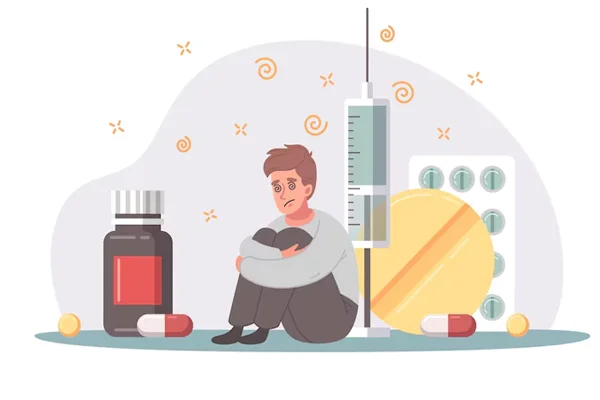
Alcohol and Drug De Addiction
Alcohol and drug addiction can affect every aspect of a person's life, including physical health, emotional well-being, relationships, family responsibilities, and professional life. What may begin as occasional substance use can gradually develop into dependency, making it difficult to stop despite its negative consequences.
At Happitunes – The Rhythm of Happiness, we believe that overcoming addiction is not simply about giving up a substance. It is also about understanding the emotional, psychological, and behavioural factors associated with substance use and working towards a healthier way of living.
Our Alcohol and Drug De-Addiction approach focuses on encouraging self-awareness, understanding addictive patterns, strengthening motivation, and supporting individuals as they work towards recovery.
Under the guidance of Dr. Sajeela Maini, Happitunes aims to help individuals recognise the impact of addiction, explore positive behavioural changes, and take meaningful steps towards a healthier and more fulfilling life.
If you are looking for Alcohol and Drug De-Addiction in Rajinder Nagar, Happitunes offers guidance focused on addiction awareness, emotional well-being, and positive lifestyle transformation.
Understanding Alcohol and Drug Addiction
Addiction is a complex condition that can affect the brain, behaviour, decision-making, and emotional health. Over time, individuals may find it increasingly difficult to control their substance use, even when they recognise its harmful effects.
Alcohol and drug dependency can develop due to a combination of factors, including psychological stress, emotional difficulties, social influences, personal experiences, and biological vulnerability.
Common signs and challenges associated with addiction include:
-
Difficulty controlling alcohol or drug consumption.
-
Strong cravings or urges to use substances.
-
Repeated unsuccessful attempts to stop.
-
Increased tolerance or needing more of a substance.
-
Neglecting work, education, or family responsibilities.
-
Continuing substance use despite health or relationship problems.
-
Mood changes, irritability, or emotional instability.
-
Withdrawing from family members and friends.
-
Spending significant time obtaining or using substances.
-
Experiencing withdrawal symptoms when reducing or stopping use.
Recognising these signs and seeking appropriate professional help can be important steps towards recovery.
Our Alcohol and Drug De-Addiction Services
At Happitunes, we focus on helping individuals understand their substance-use patterns, recognise the challenges associated with addiction, and work towards positive behavioural changes. Support is tailored to individual circumstances, and medical assessment is important whenever dependence or withdrawal may be involved.
1. Alcohol Addiction Management
Alcohol dependency can gradually affect physical health, emotional stability, family relationships, and professional responsibilities. Individuals may find it difficult to reduce or stop drinking even when they want to change.
Our approach encourages individuals to recognise their drinking patterns, understand personal triggers, and explore the motivation to seek recovery.
Areas of support may include:
-
Understanding alcohol-use patterns.
-
Identifying emotional and environmental triggers.
-
Recognising the impact of alcohol on everyday life.
-
Strengthening motivation to seek treatment.
-
Developing healthier coping strategies.
-
Encouraging ongoing recovery support.
People with alcohol dependence should seek medical advice before stopping alcohol suddenly, as withdrawal can be dangerous and may require supervised treatment.
2. Drug Addiction Management
Drug dependency can affect judgement, behaviour, emotional well-being, and relationships. Different substances can create different patterns of dependence and withdrawal, so treatment needs to be appropriate to the substance involved.
Our approach focuses on helping individuals recognise the impact of drug use, understand the factors contributing to it, and explore suitable professional support.
Support may involve:
-
Understanding substance-use behaviour.
-
Identifying situations that encourage drug use.
-
Recognising the effects on personal and family life.
-
Building motivation for recovery.
-
Exploring healthier responses to stress and emotional difficulties.
-
Encouraging appropriate medical and addiction-treatment support.
3. Understanding Cravings and Triggers
Cravings can make recovery challenging. Certain emotions, people, places, social situations, or stressful experiences may trigger the urge to use alcohol or drugs.
Understanding these triggers can help individuals prepare healthier responses.
Our guidance may focus on:
-
Recognising personal triggers.
-
Understanding situations associated with substance use.
-
Developing strategies to manage urges.
-
Learning to respond to stress without relying on substances.
-
Building supportive daily routines.
4. Motivation and Behavioural Change
The decision to overcome addiction can be difficult, especially when individuals feel uncertain, discouraged, or unable to imagine life without substances.
We encourage individuals to explore their reasons for change, recognise the impact of addiction, and develop realistic recovery goals.
This process may involve:
-
Understanding personal reasons for seeking change.
-
Recognising the benefits of recovery.
-
Building confidence in the ability to change.
-
Setting achievable goals.
-
Strengthening commitment to healthier choices.
5. Emotional and Stress Management
Stress, anxiety, loneliness, anger, and unresolved emotional concerns may contribute to substance use or make recovery more difficult.
Addressing these concerns can be an important part of a broader recovery plan.
Our approach encourages individuals to understand their emotional responses and explore healthier coping methods, while referring to qualified mental health professionals when clinical assessment or treatment is required.
6. Family Awareness and Support
Addiction often affects more than the individual. Family members may experience emotional distress, uncertainty, conflict, and difficulties in maintaining healthy relationships.
Family education and appropriate support can help loved ones understand addiction and respond constructively.
Areas of focus may include:
-
Understanding addiction as a health concern.
-
Improving communication within the family.
-
Recognising the emotional impact on loved ones.
-
Encouraging supportive boundaries.
-
Understanding how to support recovery without enabling substance use.
7. Relapse Prevention and Recovery Support
Recovery is an ongoing process, and some individuals may experience setbacks. Recognising early warning signs and having a suitable support plan can help individuals respond constructively.
Relapse-prevention support may focus on:
-
Identifying situations that increase the risk of returning to substance use.
-
Recognising emotional and behavioural warning signs.
-
Developing healthier routines.
-
Strengthening social support.
-
Maintaining engagement with appropriate treatment.
-
Seeking timely help when difficulties arise.
Signs That You or a Loved One May Need De-Addiction Support
It can sometimes be difficult to recognise when substance use has become a serious concern. Individuals may minimise the problem, while family members may feel unsure about how to approach the situation.
Professional support may be important if you notice:
-
Frequent or excessive alcohol consumption.
-
Regular drug use despite negative consequences.
-
Difficulty stopping or reducing substance use.
-
Strong cravings or withdrawal symptoms.
-
Changes in mood, behaviour, or personality.
-
Increasing isolation from family and friends.
-
Declining performance at work or school.
-
Financial or relationship problems linked to substance use.
-
Repeated promises to quit without sustained change.
-
Continued use despite physical or emotional harm.
Approaching the situation with understanding rather than blame can help encourage someone to seek appropriate care.
How Alcohol and Drug De-Addiction Support at Happitunes Helps
At Happitunes, we believe that recovery involves understanding the individual, recognising the challenges associated with addiction, and encouraging meaningful behavioural changes.
Our approach may focus on:
Understanding Addiction Patterns: Exploring substance-use habits, personal triggers, and the impact of addiction on everyday life.
Building Motivation for Change: Helping individuals identify their reasons for recovery and establish realistic goals.
Developing Healthy Coping Skills: Encouraging healthier ways to manage stress, emotional discomfort, and difficult situations.
Strengthening Self-Awareness: Recognising behavioural patterns and understanding the situations that may contribute to substance use.
Encouraging Positive Lifestyle Changes: Developing routines that support well-being, responsibility, and healthier daily choices.
Supporting Family Understanding: Encouraging constructive communication and greater awareness of addiction-related challenges.
Promoting Continued Recovery: Emphasising the importance of ongoing professional support, relapse-prevention planning, and appropriate follow-up.
Why Choose Happitunes for Alcohol and Drug De-Addiction in Rajinder Nagar?
Every individual's experience with addiction is different. At Happitunes, we believe that people experiencing substance-use challenges deserve understanding, dignity, and appropriate guidance.
Guidance by Dr. Sajeela Maini: Benefit from the vision and guidance of Happitunes founder Dr. Sajeela Maini, who is passionate about human transformation and emotional well-being.
Individual-Focused Approach: Attention to personal experiences, behavioural patterns, emotional concerns, and recovery goals.
Focus on Behavioural Change: Encouragement to understand addictive patterns and develop healthier responses.
Emotional Well-Being: Recognition of the emotional and psychological challenges that may accompany substance use.
Family Awareness: Encouraging better understanding and constructive support from loved ones.
Focus on Long-Term Recovery: Promoting sustainable lifestyle changes and continued engagement with appropriate professional care.
Important Medical Guidance for Safe De-Addiction
Alcohol and drug withdrawal can sometimes cause serious medical complications. People who may be physically dependent on alcohol, sedatives, or other substances should not attempt to stop suddenly without medical advice.
Severe alcohol withdrawal can involve seizures, hallucinations, and delirium. Drug withdrawal risks vary depending on the substance, duration of use, and individual health.
Medical detoxification, medication, rehabilitation, and psychological treatment may be necessary depending on the individual's condition. Happitunes lifestyle and behavioural guidance should complement, not replace, assessment and treatment by qualified addiction-medicine and mental health professionals.
If someone experiences seizures, severe confusion, hallucinations, breathing difficulties, loss of consciousness, or another medical emergency, seek immediate emergency care.
Take the First Step Towards Recovery with Happitunes
Overcoming addiction can be challenging, but seeking help is an important step towards change. Recovery is not about blame or judgement; it is about recognising the problem, understanding its impact, and finding the right support.
At Happitunes – The Rhythm of Happiness, our approach encourages individuals to develop self-awareness, strengthen motivation, address behavioural challenges, and work towards healthier choices.
Whether you or someone close to you is struggling with alcohol dependency, drug use, cravings, or the emotional impact of addiction, reaching out for appropriate professional support can make a meaningful difference.
Because life can have a better rhythm beyond addiction. Take the first step towards a healthier, happier future with Happitunes.
Connect with Happitunes in Rajinder Nagar to learn more about available guidance and appropriate recovery support.
Frequently Asked Questions (FAQs)
1. What is alcohol and drug de-addiction?
Alcohol and drug de-addiction refers to the process of addressing substance dependence through appropriate medical care, psychological support, behavioural treatment, and ongoing recovery planning.
2. What are the common signs of alcohol or drug addiction?
Common signs include cravings, difficulty controlling substance use, withdrawal symptoms, increasing tolerance, neglecting responsibilities, and continuing use despite harmful consequences.
3. Can someone overcome alcohol or drug addiction?
Yes. Many people make meaningful progress with suitable treatment and ongoing support. Recovery may involve medical care, counselling, rehabilitation, lifestyle changes, and relapse-prevention strategies.
4. Is medical supervision necessary during de-addiction?
Medical supervision may be essential, particularly for individuals dependent on alcohol, sedatives, or certain other substances. Withdrawal can sometimes cause serious complications, so professional assessment is important before stopping.
5. How can family members support someone struggling with addiction?
Family members can offer non-judgmental support, encourage professional treatment, maintain healthy boundaries, and learn about addiction. They should also seek support for their own emotional well-being when needed.
6. Where can I find Alcohol and Drug De-Addiction support in Rajinder Nagar?
You can contact Happitunes – The Rhythm of Happiness in Rajinder Nagar to learn about its guidance for addiction awareness, behavioural change, emotional well-being, and appropriate recovery support.


