
Child and Adolescent Issues
Child and Adolescent Issues
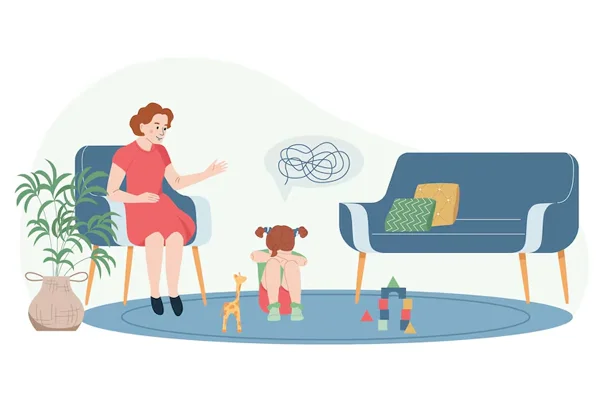
Childhood and adolescence are important stages of emotional, social, behavioural, and personal development. During these years, children and teenagers experience many changes as they learn to understand themselves, build relationships, manage emotions, and navigate expectations at home, in school, and among friends.
However, growing up is not always easy. Academic pressure, peer influence, family conflicts, social challenges, low confidence, emotional difficulties, and changes associated with adolescence can sometimes make children feel confused, misunderstood, or overwhelmed.
At Happitunes – The Rhythm of Happiness, we believe that every child deserves to be heard, understood, encouraged, and supported. Our approach focuses on understanding children's emotional and behavioural concerns, encouraging healthy communication, and helping them develop confidence and positive coping skills.
Under the guidance of Dr. Sajeela Maini, Happitunes aims to create awareness around emotional well-being and support positive personal development.
If you are looking for Child and Adolescent Counselling in Rajinder Nagar, Happitunes offers guidance to help children, teenagers, and families better understand growing-up challenges and work towards healthier emotional well-being.
Understanding Child and Adolescent Issues
Children and teenagers experience different emotional and behavioural challenges as they grow. Their ability to express feelings, manage expectations, handle social situations, and make decisions develops over time.
Sometimes, children may find it difficult to explain what they are experiencing. Their emotional struggles may appear through changes in behaviour, withdrawal, irritability, academic difficulties, or problems in relationships.
Common concerns include:
-
Difficulty expressing feelings and emotions.
-
Frequent anger, frustration, or mood changes.
-
Academic stress and performance pressure.
-
Low self-esteem and lack of confidence.
-
Bullying and peer pressure.
-
Social withdrawal and difficulty making friends.
-
Family conflicts and communication gaps.
-
Excessive mobile phone or internet usage.
-
Fear, anxiety, and emotional insecurity.
-
Difficulty adjusting to changes or new environments.
-
Behavioural concerns and lack of discipline.
-
Confusion related to identity, independence, and growing responsibilities.
Recognising these concerns early and responding with patience and understanding can help children feel supported.
Our Child and Adolescent Counselling Services
At Happitunes, we focus on understanding the individual experiences of children and teenagers and encouraging positive ways to manage everyday challenges.
1. Emotional and Behavioural Management
Children may sometimes struggle to understand or express emotions such as anger, sadness, frustration, fear, and disappointment. These feelings can influence their behaviour at home, school, and in social situations.
Our approach encourages children to recognise their emotions and gradually develop healthier ways of expressing themselves.
Areas of focus may include:
-
Understanding emotional reactions.
-
Managing anger and frustration.
-
Improving emotional expression.
-
Developing patience and self-control.
-
Encouraging positive behavioural habits.
2. Academic Stress and Performance Pressure
Academic expectations, examinations, competition, and pressure to perform can sometimes become overwhelming for children and teenagers.
Excessive academic stress may affect concentration, motivation, confidence, sleep, and emotional well-being.
Our guidance may focus on:
-
Understanding sources of academic pressure.
-
Developing healthy study routines.
-
Improving time management.
-
Managing examination-related stress.
-
Building confidence and realistic expectations.
-
Encouraging a balanced approach to studies and recreation.
3. Self-Esteem and Confidence Building
Children and teenagers gradually develop their sense of identity and self-worth through their experiences, relationships, and achievements.
Negative comparisons, criticism, social pressure, or repeated setbacks may affect their confidence.
We encourage children to recognise their strengths, appreciate their individuality, and develop a healthier sense of self-worth.
4. Anger and Aggressive Behaviour Management
Frequent anger, irritability, shouting, arguments, or aggressive reactions may sometimes indicate that a child is struggling with emotions or difficult experiences.
Our approach focuses on understanding what may be contributing to these reactions and encouraging healthier ways of responding.
This may involve:
-
Identifying situations that trigger anger.
-
Recognising emotional warning signs.
-
Developing communication skills.
-
Encouraging constructive expression.
-
Learning age-appropriate calming strategies.
5. Peer Pressure and Bullying Support
Friendships and peer relationships become increasingly important during childhood and adolescence. However, bullying, social exclusion, negative peer influence, and pressure to fit in can affect a young person's confidence and emotional health.
We encourage children and teenagers to understand healthy friendships, develop assertiveness, and seek support when they experience difficult social situations.
6. Parent-Child Relationship and Communication
Healthy communication between parents and children is essential for emotional security and trust. However, differences in expectations, discipline, independence, and opinions can sometimes create misunderstandings.
Our guidance encourages families to develop better communication, understand each other's perspectives, and create a supportive home environment.
Areas of focus may include:
-
Improving parent-child communication.
-
Understanding age-related behavioural changes.
-
Managing disagreements constructively.
-
Encouraging mutual respect.
-
Building trust and emotional connection.
7. Adolescent Challenges and Growing-Up Concerns
Adolescence brings physical, emotional, social, and psychological changes. Teenagers may experience uncertainty, emotional sensitivity, changing friendships, identity-related questions, and a growing desire for independence.
Our approach encourages healthy conversations around these changes and helps teenagers understand their emotions, responsibilities, and personal boundaries.
8. Digital Habits and Screen-Time Management
Mobile phones, social media, online gaming, and digital entertainment are a major part of many young people's lives. However, excessive or uncontrolled screen usage may interfere with sleep, studies, physical activity, and family interaction.
We encourage healthier digital habits through:
-
Understanding screen-time patterns.
-
Developing reasonable digital boundaries.
-
Encouraging offline activities.
-
Improving focus and daily routines.
-
Promoting responsible technology use.
Signs Your Child or Teenager May Need Support
Every child develops differently, and occasional mood changes or behavioural difficulties can be part of growing up. However, persistent or significant changes may indicate that additional support is needed.
Consider seeking professional guidance if your child:
-
Frequently appears sad, anxious, or withdrawn.
-
Shows sudden changes in behaviour or mood.
-
Has difficulty managing anger or frustration.
-
Avoids school or loses interest in studies.
-
Experiences persistent academic stress.
-
Struggles to make or maintain friendships.
-
Shows a significant decline in confidence.
-
Experiences bullying or social difficulties.
-
Has ongoing conflicts with parents or family members.
-
Shows major changes in sleep or eating patterns.
-
Uses mobile phones or games in ways that interfere with daily life.
-
Expresses feelings of hopelessness or self-harm.
If a child talks about suicide or self-harm, take it seriously and seek prompt help from a qualified mental health professional. If there is immediate danger, stay with the child and seek emergency assistance.
How Child and Adolescent Counselling at Happitunes Helps
At Happitunes, we believe that children and teenagers need understanding, patience, encouragement, and age-appropriate support. Our approach focuses on helping families recognise concerns and explore healthier ways of managing emotional and behavioural challenges.
Our guidance may focus on:
Understanding Individual Concerns: Exploring the child's experiences, behaviour, emotional needs, and everyday challenges.
Encouraging Emotional Expression: Helping children recognise and communicate their feelings in healthier ways.
Building Confidence: Encouraging self-worth, positive thinking, and recognition of individual strengths.
Developing Coping Skills: Exploring age-appropriate ways to manage stress, frustration, peer pressure, and difficult situations.
Improving Family Communication: Encouraging parents and children to listen to each other and develop mutual understanding.
Promoting Healthy Habits: Supporting balanced routines involving studies, sleep, recreation, physical activity, and digital use.
Encouraging Positive Development: Helping young individuals develop self-awareness, responsibility, and healthier relationships.
Why Choose Happitunes for Child and Adolescent Counselling in Rajinder Nagar?
Every child has a unique personality, emotional needs, and way of experiencing the world. At Happitunes, we believe that children's concerns should be approached with sensitivity, respect, and understanding.
Guidance by Dr. Sajeela Maini: Benefit from the vision and guidance of Happitunes founder Dr. Sajeela Maini, who is passionate about human transformation and emotional well-being.
Child-Focused Understanding: Recognising that children and teenagers need age-appropriate communication and support.
Focus on Emotional Well-Being: Encouraging children to understand their feelings and develop healthier ways of responding to challenges.
Family Involvement: Recognising the important role parents and caregivers play in a child's development.
Positive Behavioural Guidance: Encouraging constructive habits, communication, confidence, and self-awareness.
Focus on Personal Growth: Supporting healthier relationships, emotional understanding, and positive development.
Help Your Child Grow with Confidence and Happiness
Growing up comes with questions, challenges, and experiences that children may not always know how to express. Sometimes, all they need is a supportive environment where they can feel heard, understood, and encouraged.
At Happitunes – The Rhythm of Happiness, our approach focuses on helping children and teenagers understand their emotions, manage everyday challenges, develop confidence, and build healthier relationships.
Whether your child is experiencing academic pressure, emotional difficulties, behavioural concerns, peer pressure, or communication gaps, seeking appropriate support can be a positive step towards their well-being.
Because every child deserves to grow, express, explore, and discover their own rhythm of happiness.
Connect with Happitunes in Rajinder Nagar to learn more about child and adolescent support.
Frequently Asked Questions (FAQs)
1. What are common child and adolescent issues?
Common concerns include academic stress, anxiety, anger, low self-esteem, bullying, peer pressure, behavioural difficulties, family conflicts, and excessive screen usage.
2. When should parents consider counselling for their child?
Parents may consider professional guidance when emotional or behavioural changes persist, affect everyday functioning, interfere with school or relationships, or cause significant distress.
3. Can counselling help children manage anger and emotions?
Age-appropriate counselling may help children recognise emotions, understand triggers, communicate feelings, and develop healthier coping strategies.
4. How can parents support teenagers during adolescence?
Parents can support teenagers by listening without immediate judgement, respecting their growing independence, maintaining open communication, setting appropriate boundaries, and seeking professional help when needed.
5. Can academic stress affect a child's emotional well-being?
Yes. Persistent academic pressure may contribute to anxiety, sleep difficulties, reduced confidence, irritability, and loss of motivation. A balanced approach to learning and personal development is important.
6. Where can I find Child and Adolescent Counselling in Rajinder Nagar?
You can contact Happitunes – The Rhythm of Happiness in Rajinder Nagar to learn about its guidance for children's emotional well-being, behavioural concerns, family communication, and adolescent challenges.


